Since the beginning of time, humans have always had the desire to create art. Through this desire body painting was born, making the human body the first canvass. The history of this craft stretches so far back that historians consider it to be the earliest form of art. Compared to other types of body art like tattoos or piercing, this is impermanent. It lasts only for a few hours at most.

During the ancient times, tribes would often use this during celebrations and important ceremonies. Each color had its own corresponding meaning. Chieftains and warriors commonly had their own styles to indicate their status in the tribe. Around the 12th century, a new
kind of body painting known as the Mehendi became popular. The Mehendi is an extremely old ritual that originated from Egypt. It is the art of using henna to paint the body. This type of dye usually lasts a little longer, about a 1-2 weeks before fading. Natives of South America also had their own methods of ornamenting their bodies. They would use wet charcoal also known as huito. Like henna, huito is also semi-permanent lasting for a few weeks.


In today's modern era, this has become a way of self-expression. This has been spurred on by the liberality of modern society. If before nudity was deemed by society as inappropriate and improper, now it is something to be flaunted. In the guise of self-expression and the practice of human freedom, this has become a means of grabbing the public's attention. This is especially effective during protests and rallies. Instead of bringing placards and sign boards, the protesters would instead paint on themselves.


The art of
body painting can morph a human being into a beautiful work of art. It can make a statement that words alone cannot express, create a more appealing presentation, and add meaning and significance to an important occasion. It is used not only for the living, but also to preserve the dead. Truly it has attained world wide significance that will last till the end of time.


 New Body Painting Women


 The markings that the people make on their bodies are thought to have magical powers with which one could ward off evil spirits or the tribal enemies. Such was the thinking in past. The painting of bodies was also coined with celebrating of auspicious occasions like New Year or a dance party. Same practice can still observed in the indigenous populations of the countries like New Zealand, Australia, the Pacific Islands, and certain parts of Africa.
 In India the women and men are fond of using Henna. It is a colour extracted from a plant of Henna; it is also known as Mehandi. This type of Body Painting with Henna has been a fashion in India and the Middle East since many years. People paint their hands and legs and other parts of body with Henna during auspicious ceremonies like weddings. The use of henna or Mehandi has become popular in the Western countries, too, since last two decades.
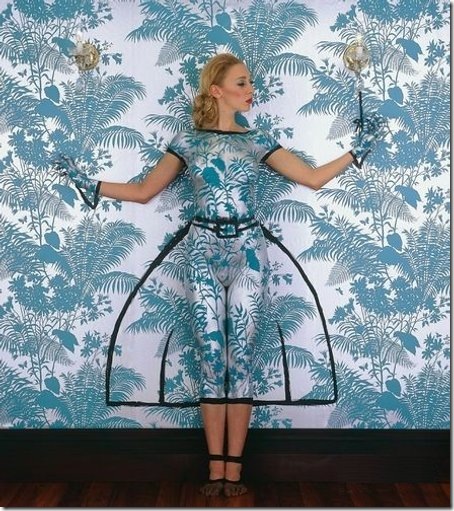 The art of Body Painting is not a new phenomenon in the countries of South America, too. People here have been using indigenous materials to paint their body and body parts. They use wet charcoal and other materials available in the local surrounding. In some parts of America, a material known as Huito is used to paint the bodies and faces. Huito is a black dye, and it takes weeks to fade away.


